
Buddhist Teachings for Everyday Living
Part IV: The Larger Sutra and the Great Reversal of Effort
Instead of the practitioner reaching toward enlightenment, enlightenment reaches toward the practitioner. Instead of climbing out of samsara through effort, one is embraced within it. Liberation is no longer something you manufacture. It’s something you receive.
Part III: How Meditation Quietly Rewrote the Buddhist Universe
Samadhi is often translated as “concentration,” but that word doesn’t quite capture what’s happening. Samadhi isn’t about forcing the mind to focus. It’s about the mind becoming unified — so absorbed in its object that the usual sense of a separate self falls away. The boundary between observer and observed starts to blur. What remains is a vivid, stable awareness that feels deeply real.
Part II: Practicing in a World Without a Living Buddha
Shortly before his death, the Buddha was asked who would lead the community after him. His answer was firm and unsettling: no one. The Dharma and the monastic code would be the guide. On the surface, this sounds empowering. It removes dependence on authority and places responsibility squarely on practice. But psychologically, it also left a vacuum. There would be no replacement. No living reference point for full awakening.
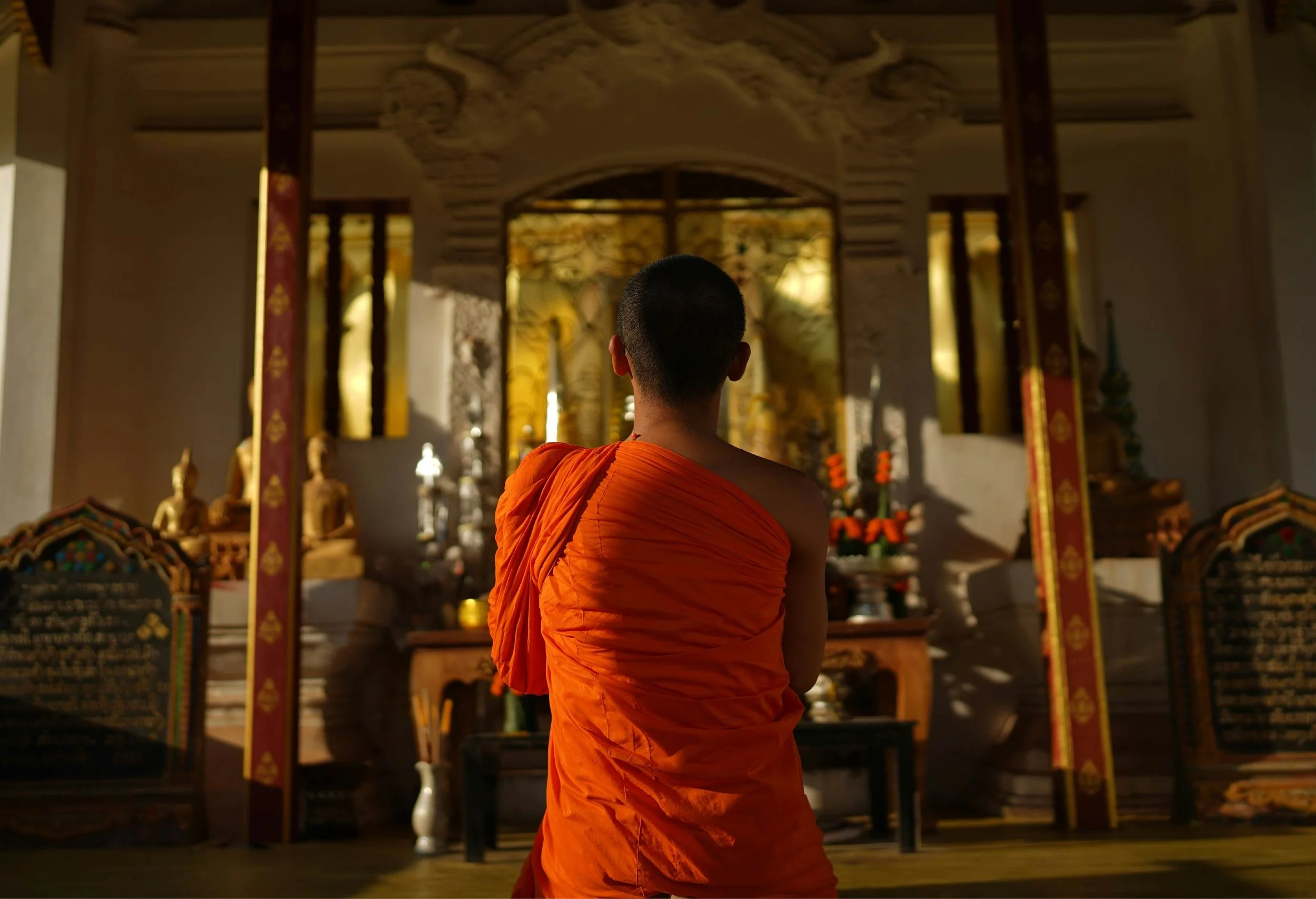
Part I: Why Mahayana Buddhism Needed a New Way to See the World
Most explanations of Mahayana Buddhism focus on what makes it different: the bodhisattva ideal, new scriptures, vast cosmologies filled with Buddhas, and a strong emphasis on compassion and universal liberation. All of that is important. But it doesn’t really answer a more basic question: Why did Buddhism need to evolve in this direction at all? What problem was it responding to?

Mahayana Bodhisattva Path
We are along with Dharmākara in a journey together toward complete spiritual liberation. It is like a “three-legged race.”
The Smaller Sukhāvatīvyūha Sūtra mentions that Bodhisattva Dharmākara becoming Amida Buddha has been guiding us to perfect enlightenment for the past ten kalpas.

Gradually Sudden
If we take a more gradualist approach, we can see that the development of Mahayana Buddhism is a very, slow natural progression. This is Mahayana Buddhism as an evolution not a revolution. In other words, the development of Buddhism should be viewed as a continuum rather than as a series of sudden events.