

Buddhist Teachings for Everyday Living
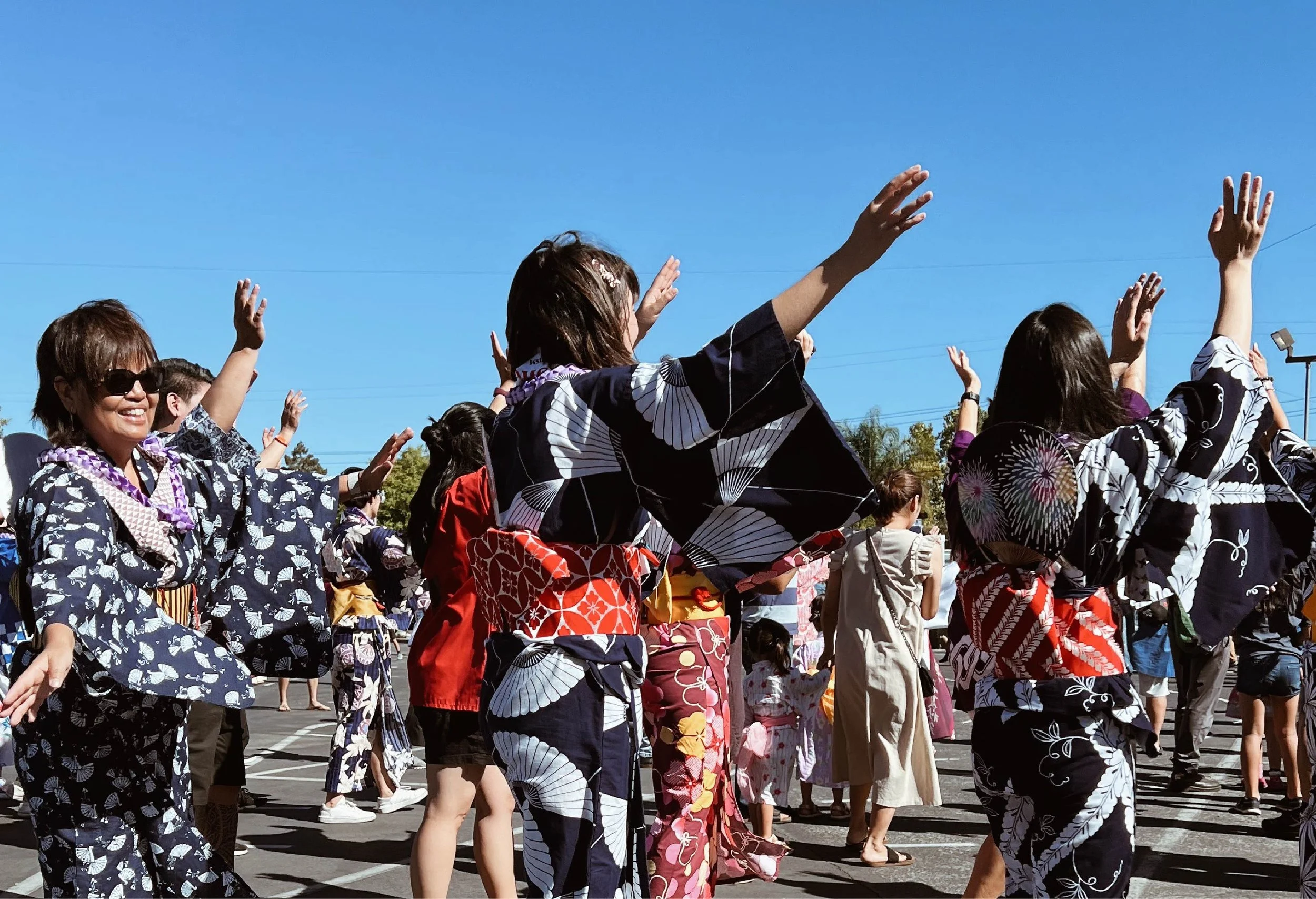
Feeling the Full Embrace of Obon
As a Jodo Shinshu convert, it sometimes takes me a while to fully appreciate the depth and beauty of certain Japanese traditions—especially Obon and Hatsubon. When I first joined the Vista Buddhist Temple sangha, I made a simple commitment: just show up, join in, and trust that understanding would come in time.

Ichi-Mi: All of the Same Essence
“Ichi-Mi (一味)” is a term found in Shinran Shonin’s Shoshin-Nembutsu-Ge. The translation of this passage is as follows: When ignorant and wise, even grave offenders and slanders of the dharma, all alike turn about and enter shinjin. They are like waters that, on entering the ocean, become one in taste with it.
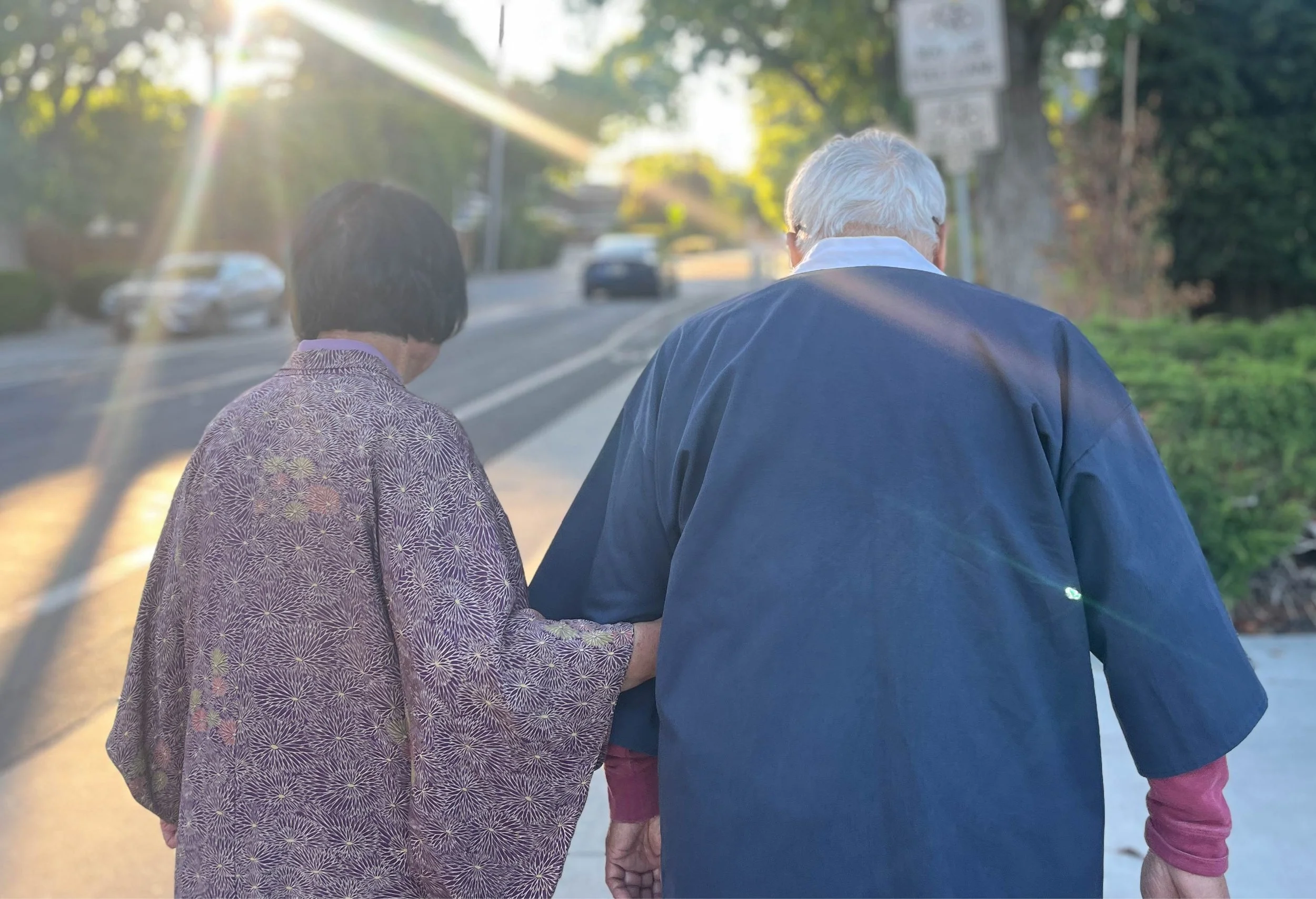
Living with the End in Mind (Part 2)
If you had seven days left to live, what would you stop doing? What would you begin? What would you do to live your life fully?
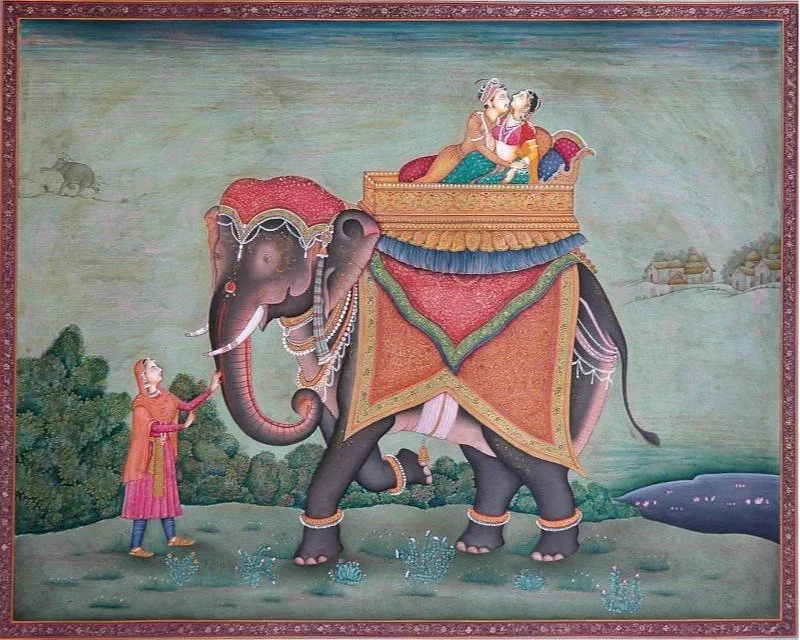
That’s Not What I Heard: Reframing the Audience of the Buddha’s Teachings
It turns out that there four different groups of Buddhist followers that have existed since the Buddha’s time. There were the male monastics and the female monastics and the male and female householders. Giving us four distinct communities, each with their own set of concerns. When the Buddha taught, he would focus his teachings to address the needs of these different groups.

A Path to Universal Liberation - Part 3
In a world increasingly marked by division, whether due to socioeconomic status, gender, race, or political beliefs, Amida’s vow to liberate all beings without distinction is especially relevant.

Mahayana Bodhisattva Path
We are along with Dharmākara in a journey together toward complete spiritual liberation. It is like a “three-legged race.”
The Smaller Sukhāvatīvyūha Sūtra mentions that Bodhisattva Dharmākara becoming Amida Buddha has been guiding us to perfect enlightenment for the past ten kalpas.

Batman and Buddha
In a world that often feels like Gotham, we can choose to be Batman. We can also find wisdom in the compassion of Amida Buddha, choosing lovingkindness over retaliation. We can transform our pain into wisdom, our struggles into strengths. We learn that vulnerability isn’t a weakness, but a bridge to human connection, to compassion, to understanding. We have a choice in how we view our difficult moments.

Shinran as an Innovative Pure Land Master (Part 3)
Shinran’s teachings are not just an important part of Buddhist history; they carry profound relevance for contemporary society. In a world that continues to grapple with issues of inequality, exclusion, and division, Shinran’s message of universal accessibility to awakening offers a beacon of hope and transformation.